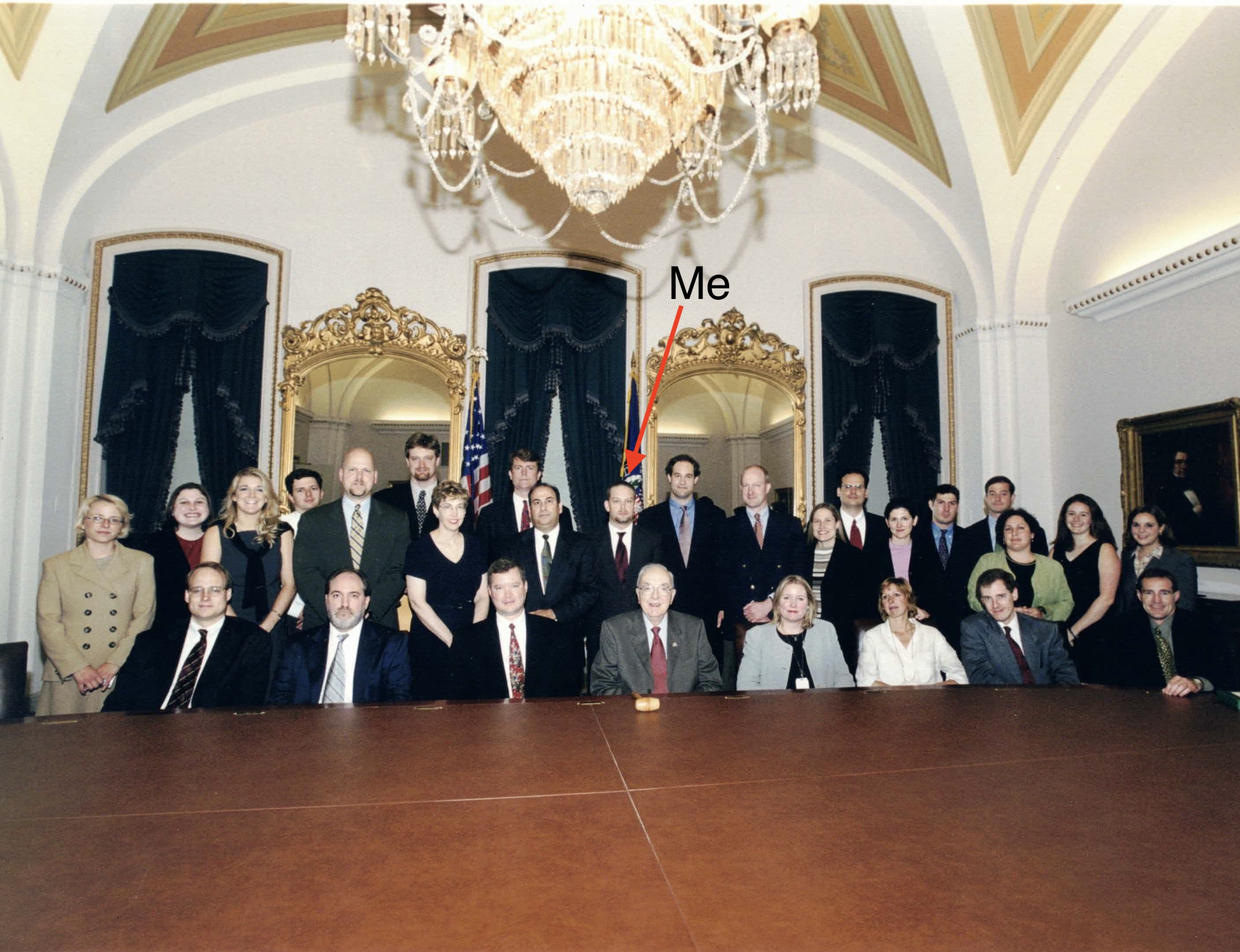
I'm from a small town in North Carolina. My first real job was on the Senate Foreign Relations Committee — I was eighteen, still in college, studying Chinese and working Asia-Pacific policy for Chairman Jesse Helms. In 2000 I took a semester at Peking University and traveled to Lhasa. By twenty-two I was running foreign policy portfolios for Senator Sam Brownback, observing elections in Nigeria, and crossing Central Asia and the Middle East as his advisor.
On September 11, 2001, my apartment was across the highway from the Pentagon. It filled with smoke. A month later, my office building was the one in the anthrax attack — shuttered for six months. The world I'd been analyzing from committee hearing rooms had come home.
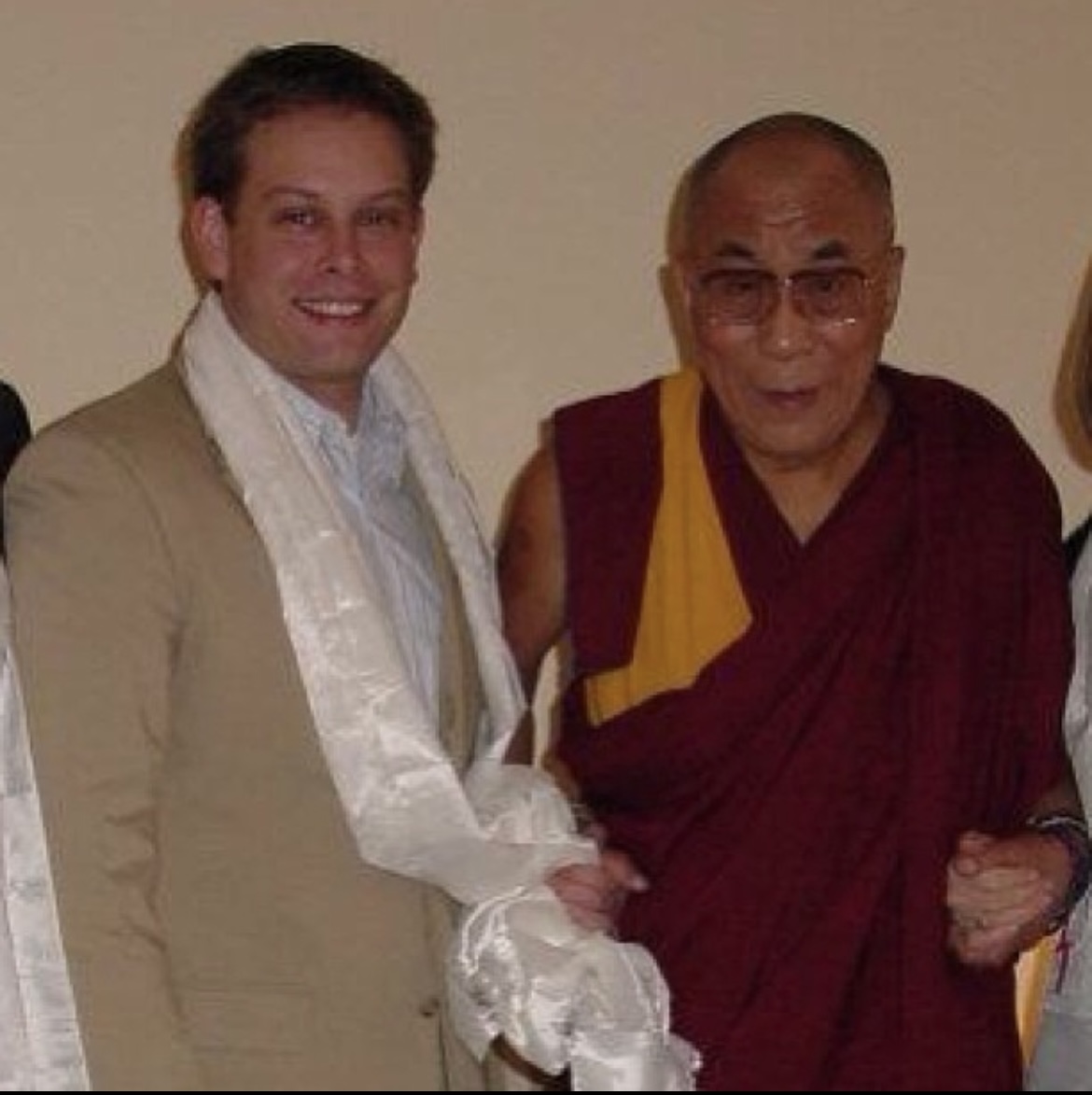
A Congressional trip to Dharamsala in 2004 put me in front of the Dalai Lama. That encounter left a question I couldn't discharge — whether the mind could be studied from the inside with the same rigor applied to any other system. It took fifteen years before I sat down to try.
I went to the Defense Intelligence Agency after that, writing strategic assessments of Chinese military leadership. It was good work. But the world had changed, and I'd changed with it. So at twenty-five I quit and enlisted in the United States Army with the intent of joining Special Forces.
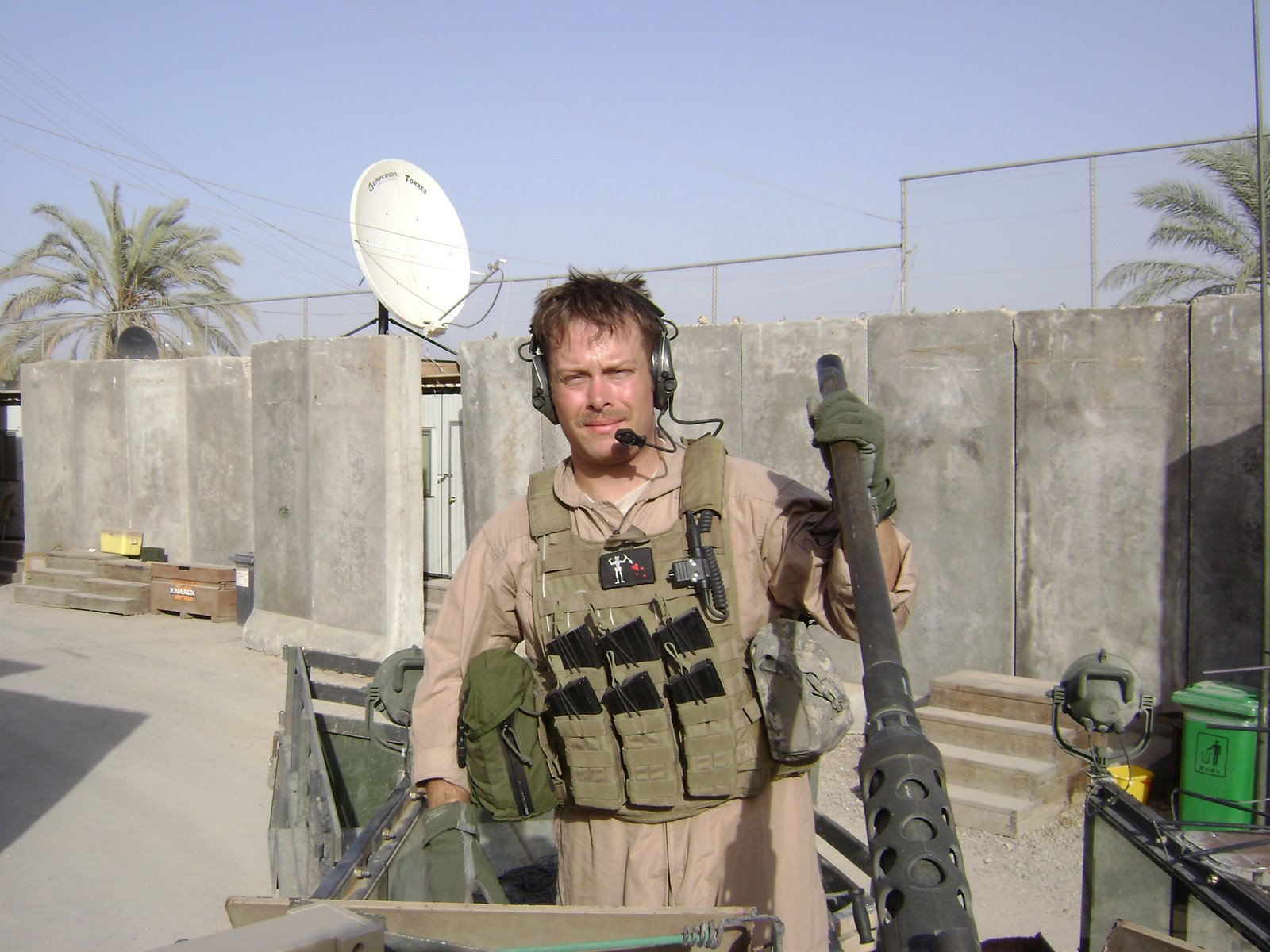
Basic training. Airborne school. Special Forces Assessment and Selection. Two years of pipeline — 18E, Special Forces communications sergeant: satellite systems, cryptography, a year of intensive Mandarin. Iraq in 2007. On a JCET to Nepal, I used computer modeling to simulate atmospheric conditions and bounced an HF radio signal 7,000 miles from Kathmandu to Fort Lewis — five times the equipment's rated range. Then I was reclassified to 18F, intelligence sergeant, and in 2010 spent nine months on the island of Jolo in the Philippines, which was as wild as it sounds.
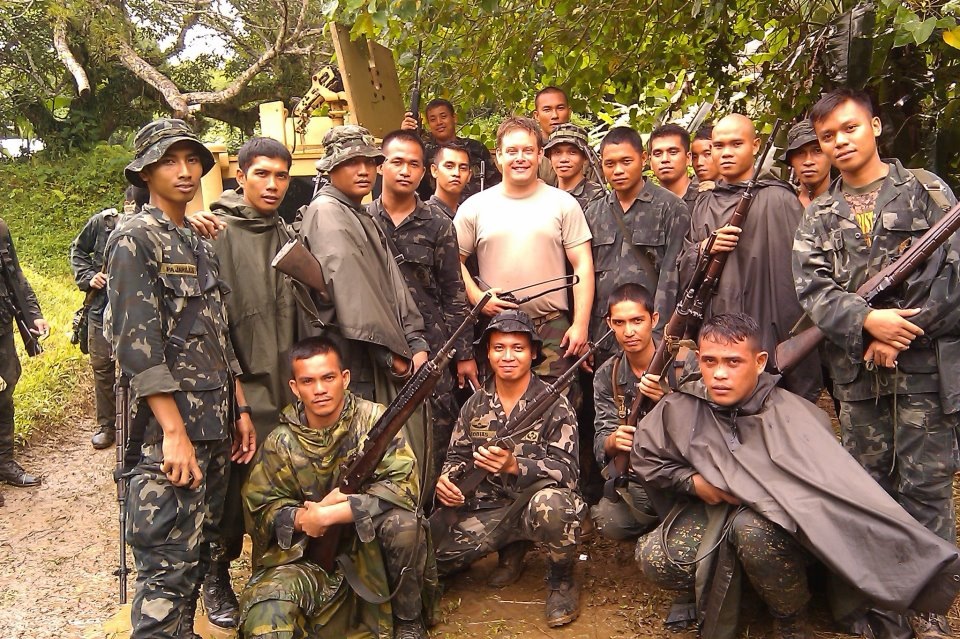
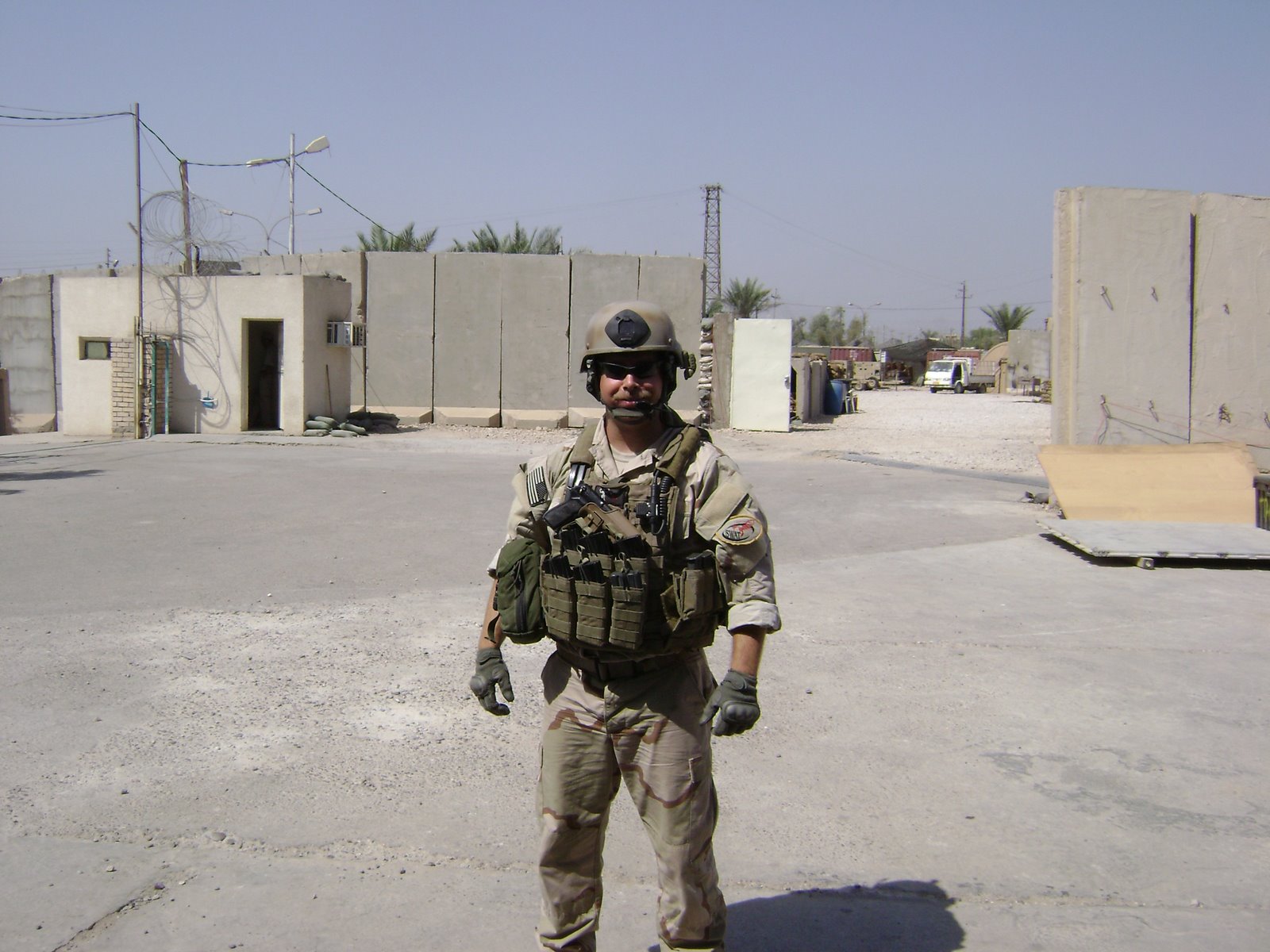
Special Forces taught me the thing I keep coming back to: systems under real pressure reveal their actual structure. The doctrine, the org chart, the plan — those are approximations. What matters is the dependency structure underneath: who needs what from whom, what breaks first. Slow is smooth, smooth is fast isn't a slogan. It's an epistemological claim.
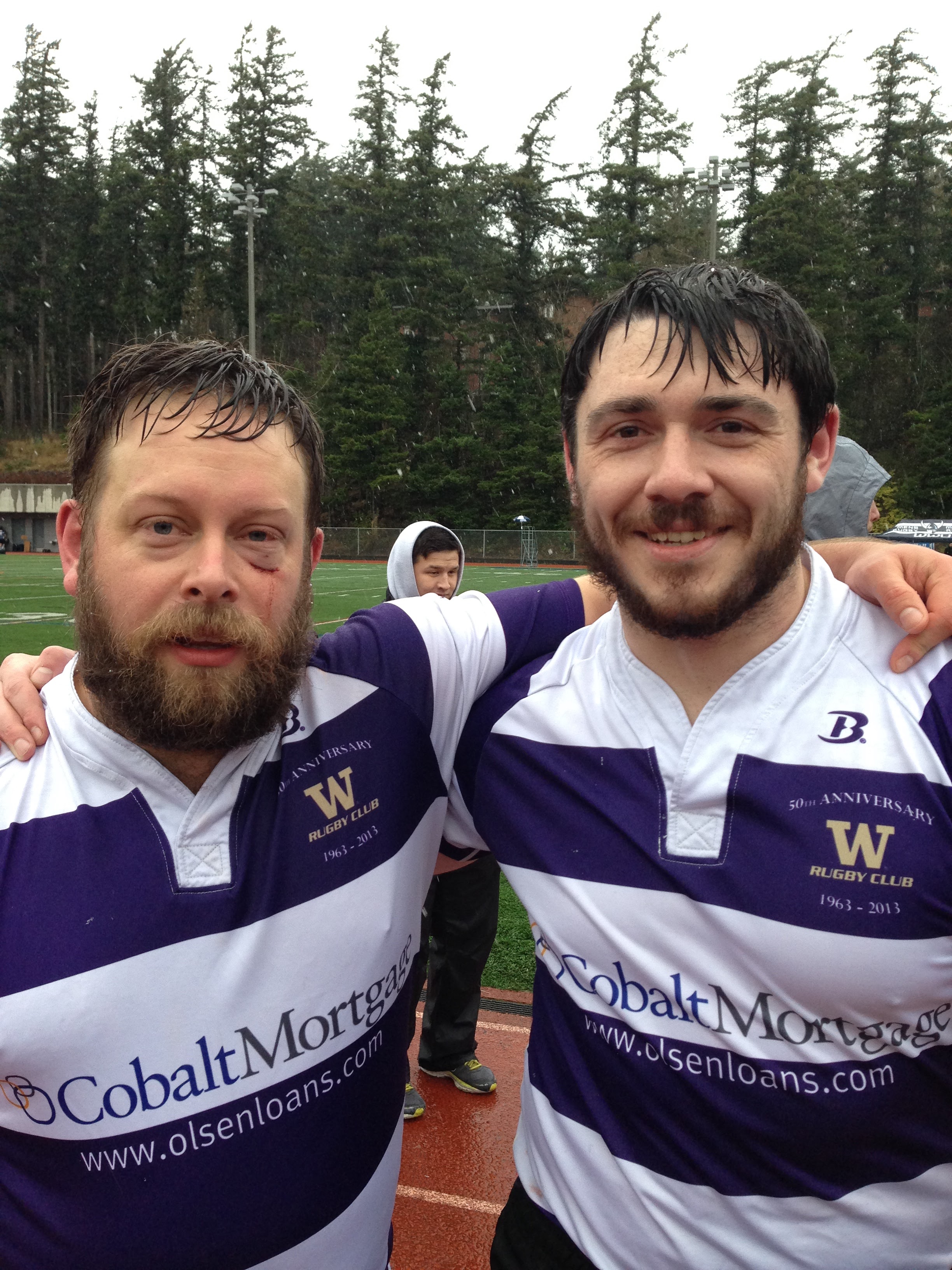
I left the Army at thirty-four. Back to UW — finished my degree, picked up Chinese again, played rugby, collected black eyes with my buddy Shane, a former Ranger. Then back to Washington one last time: defense policy for Senator Tom Cotton, Armed Services Committee, traveling Korea, Taiwan, and Singapore in the middle of the biggest national security debates of the mid-2010s.
After that I left the Hill for good. The technology chapter — AWS, then H2O.ai — was where the pattern clarified. Whether I was translating ML research into products or helping shape early LLM efforts, the hardest problem was never the technology itself — it was making invisible dependencies legible to the people who needed to act on them.
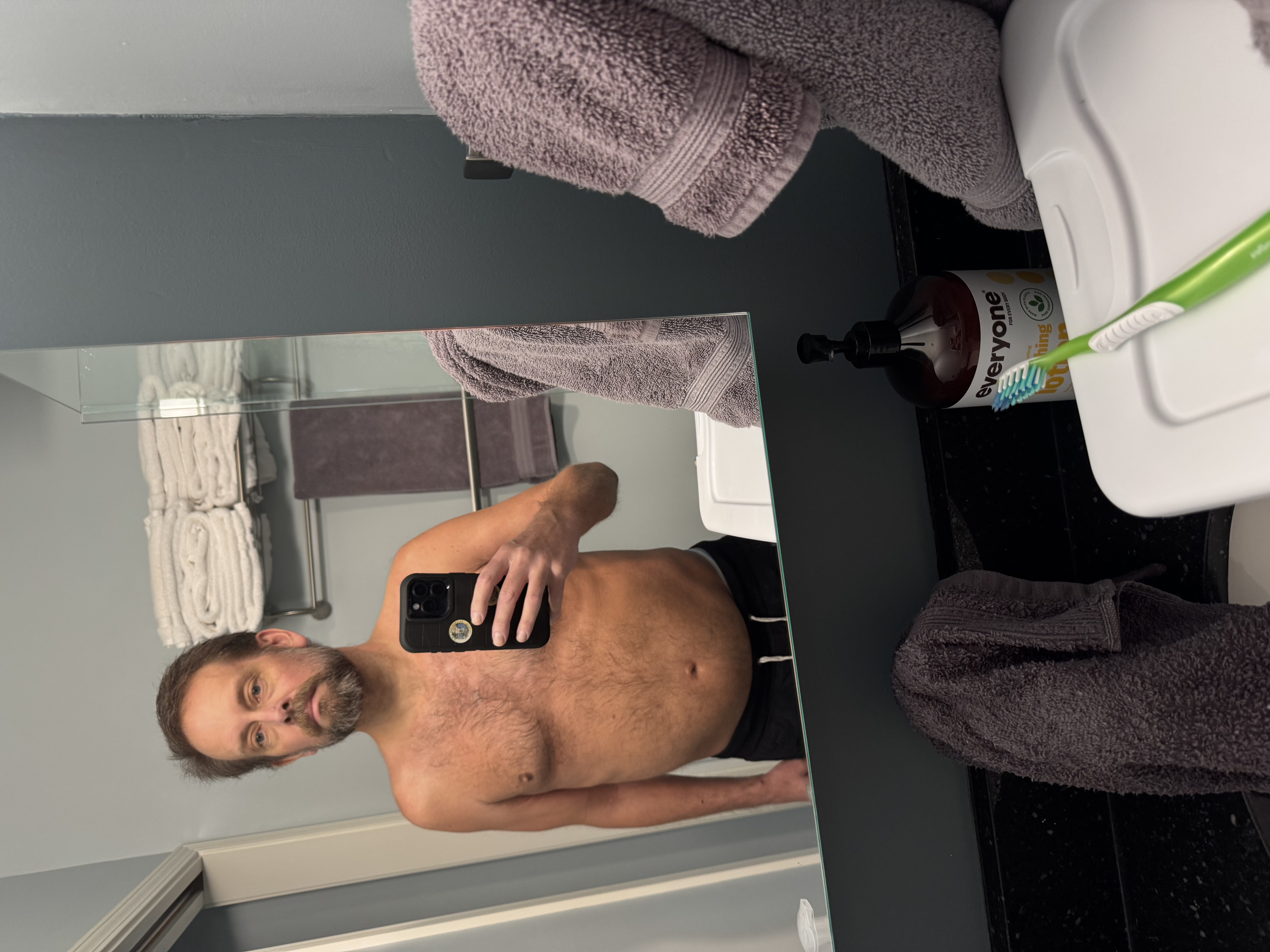
In 2022 I stopped. Twenty years of nonstop work — Senate, Special Forces, Iraq, the Philippines, the Senate again, AWS, H2O. I started my own thing. Then in 2024, severe acute necrotizing pancreatitis put me in the ICU for four months. Twenty-four blood transfusions. Dialysis. A hundred pounds lost.
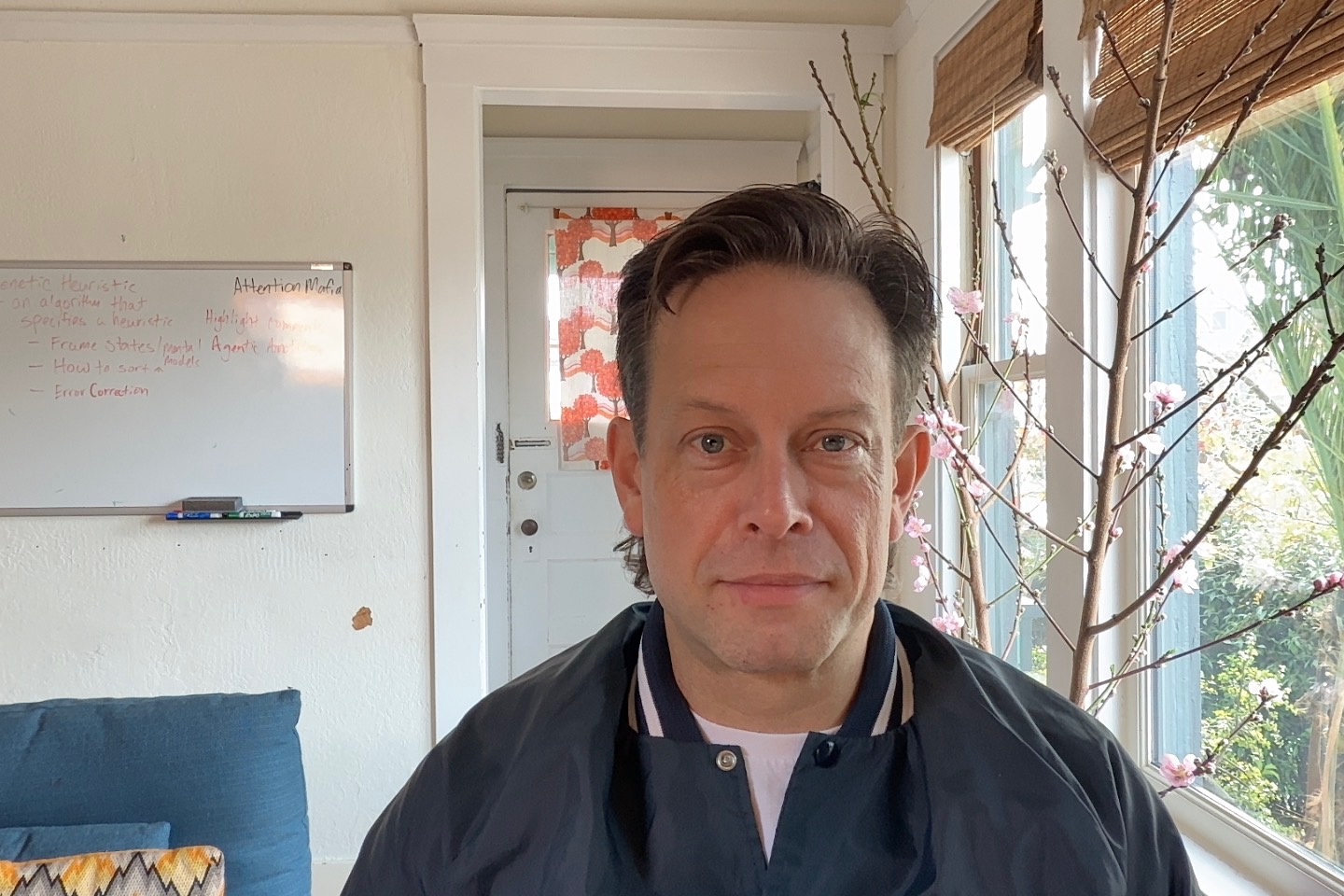
I came out lighter — in every sense.
Now I build tools. Scholion maps epistemic dependencies in scientific reasoning. Notice trains interoceptive awareness through the Apple Watch. Both do what I've been doing in every chapter: making invisible structures visible and navigable.
The seed from Dharamsala finally took root about five years ago. I meditate daily. I'm not a Buddhist scholar, but the practice is central to how I think and build — studying the mind from the inside is the same work as mapping dependencies in a paper or tracking states on a watch face.
I still play rugby. I live in Oakland. I'm restoring a Vanagon named Kalavajra.